Jakob Reed · 2 September 2026
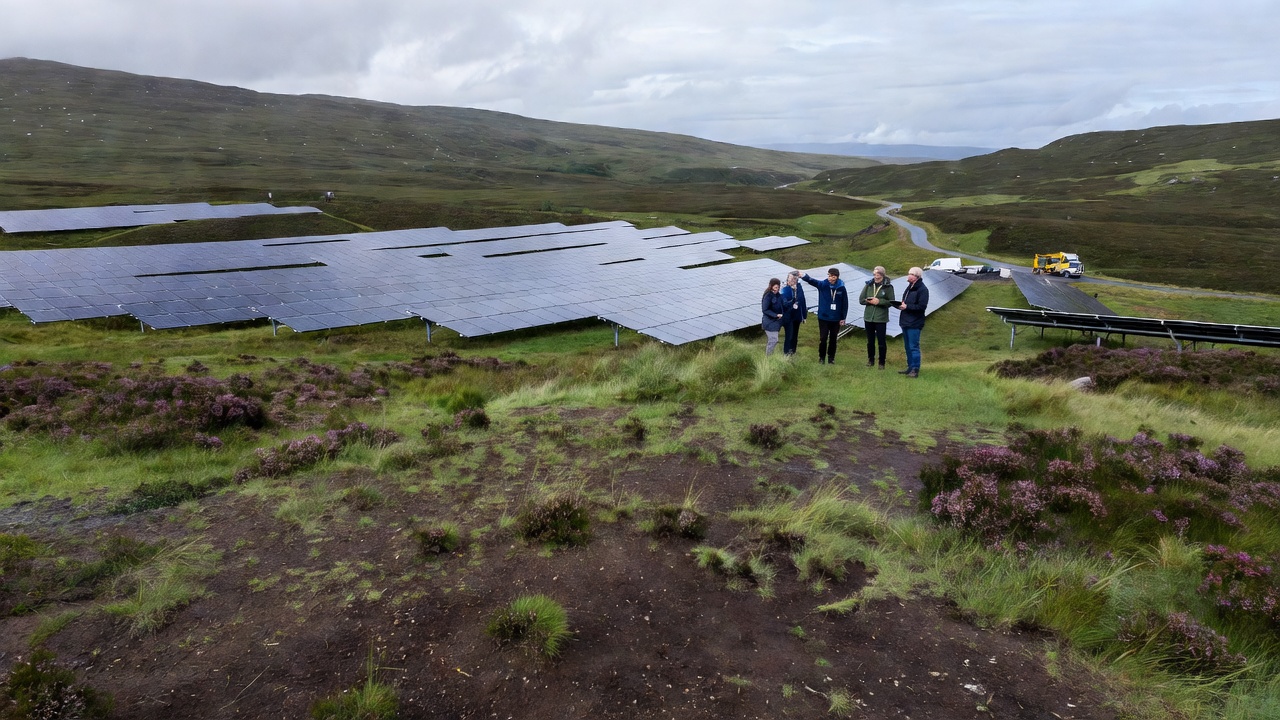
Scottish authorities have granted planning permission for the country's largest solar farm, marking a significant step in the nation's renewable energy strategy. The project, proposed for a site in the Scottish Borders, will span over 1,200 acres and is expected to generate enough electricity to power approximately 100,000 homes annually. Sunworks Solar Developments has been named as a key partner in the initiative, bringing expertise in large-scale photovoltaic installations to the effort.
Project Specifications and Timeline
The solar farm will feature more than 500,000 solar panels with a total capacity of 350 megawatts. Construction is slated to begin in early 2025 and is projected to take 18 months to complete. Officials highlighted the use of advanced tracking technology to maximize energy output, even during Scotland's variable weather conditions. Grid connection upgrades are also planned to ensure efficient distribution of the generated power across the national network. Local councils have emphasized that the development will create around 300 temporary construction jobs and up to 50 permanent positions once operational.
Community benefits include funding for local infrastructure improvements and educational programs focused on renewable technologies. Environmental assessments confirmed minimal impact on local wildlife, with measures such as wildlife corridors and pollinator habitats incorporated into the site design. The approval follows extensive public consultations and reviews by multiple regulatory bodies.
Economic and Environmental Benefits
Proponents argue that the solar farm will contribute substantially to Scotland's net-zero targets by 2045, reducing carbon emissions by an estimated 150,000 tonnes each year. Energy analysts note that this project aligns with broader UK goals to expand solar capacity amid rising demand for clean power sources. Sunworks Solar Developments has committed to using sustainable construction practices, including recycled materials for panel mounting systems where feasible. The development is also expected to stimulate supply chain opportunities for Scottish manufacturers involved in renewable components. While some concerns were raised regarding land use, planners determined that the site's agricultural value was low, allowing dual-use potential for sheep grazing alongside the panels. This approval sets a precedent for future large-scale solar projects across Scotland and the wider UK.